What to Look for When Checking Your Home for Mold
We talk a lot about what we put in our bodies. But what about what we breathe in every single day?
Think of the air in your home as the microbiome of your living environment. When mold is present, it produces toxins called mycotoxins that literally shut down your mitochondria — your body's ability to heal itself.
This is why we see such strong connections between poor air quality and conditions like Alzheimer's, chronic Lyme, and persistent skin issues that nobody can explain.
Here’s the thing — unfortunately, mold is far more common in homes than we think.
When we started our healthy home search, we focused on understanding what potential mold existed in a home, then weighing whether or not we thought it would be capable of being remediated, and at what price. We luckily engaged a realtor who is also a building biologist, Heather Rose (Learn More About Heather), and she was an integral piece of our journey. She was able to more accurately explore, understand, and estimate the damage we were seeing while teaching us so much in that process. Here is Heather’s Instagram, so you can dive into all her expertise.
Below is what we looked for when we walked through homes, and ultimately what we looked for when we finally went under contract with our current home. These are all things that we’d recommend keeping an eye out for, whether you have owned a home for 20 years, 2 weeks, are about to buy, or are currently renting. Obviously, most know to look for black, brown, or even a blue-green color mold on ceilings, walls, and flooring, but it goes far beyond just those typical visual cues. We actually almost rarely came across that easy-to-spot type of mold. Here are the big red flags we saw:
1. Any visible water damage. Look for peeling paint, bubbling on walls, discoloration, or any water stains. Look at ceilings, under sinks, around windowsills (what we noticed is cracking in the paint and trim….we also noticed certain areas that felt slightly damp to the touch…another sign to look for is condensation on the windows themselves.)Chimney chases are also good to be aware of — notice the walls behind or around them. In general, pay attention to any place that could be a potential water entry. You can even pay attention to silly things like mirrors (if glued to walls in bathrooms with showers) because moisture can get locked in behind them. Sadly, we had this issue in our master bath. It was one of the easier fixes, but we still had to remove all the drywall behind and install new drywall.
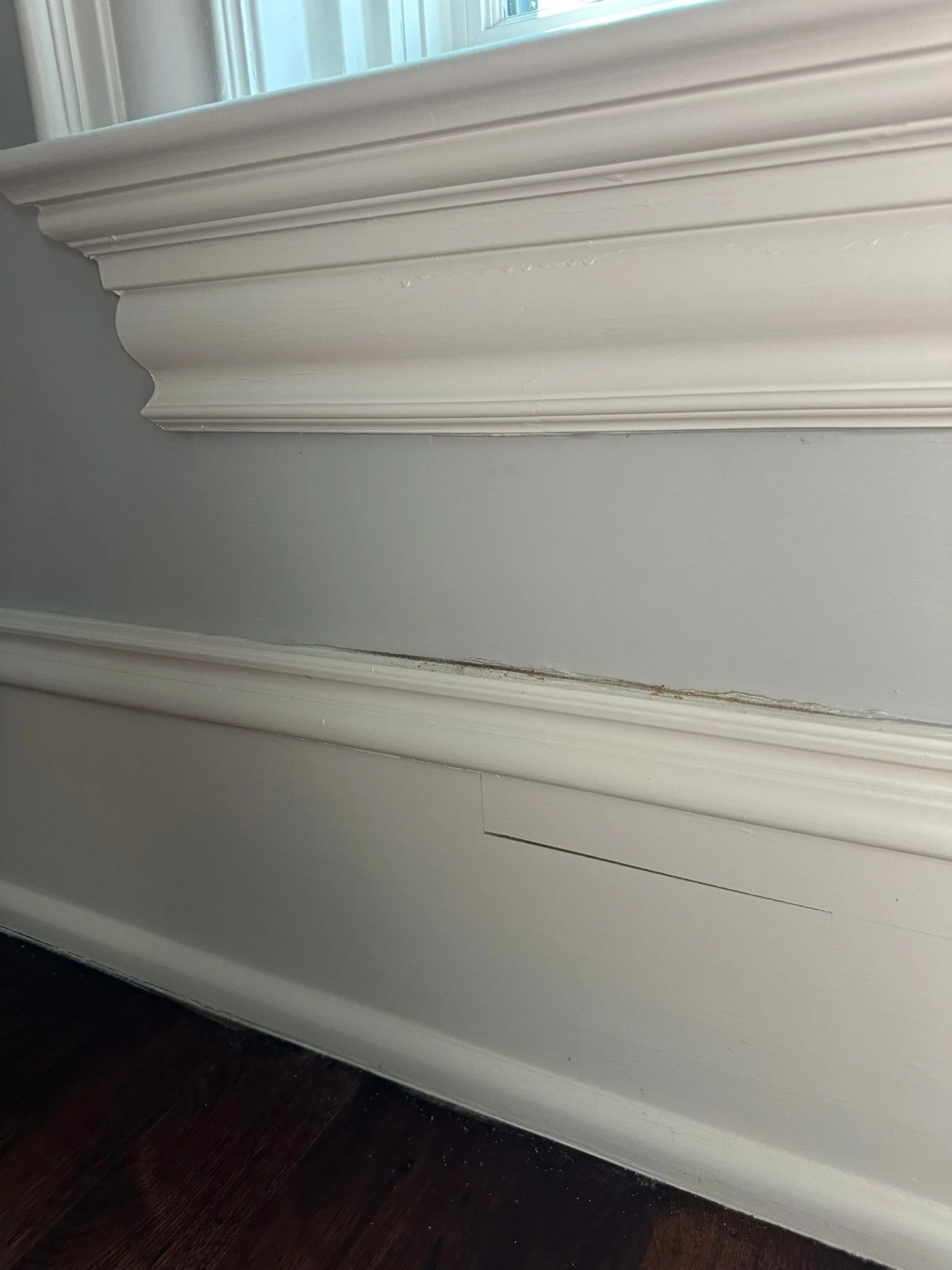
This is the cracking we saw under window sill and led us to opening it up
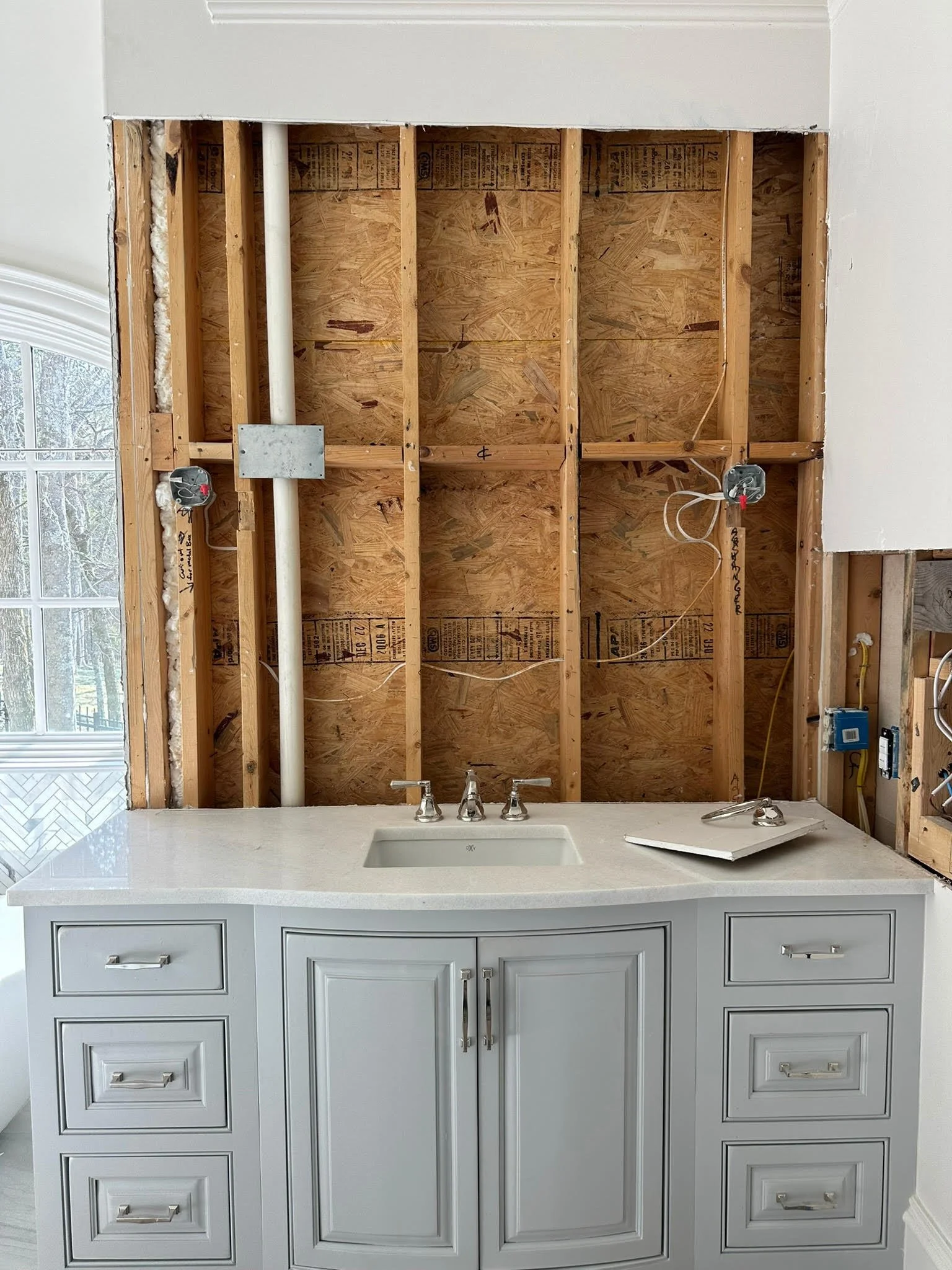
Unfortunately we don't have a picture of the mirrors with mold but what it looked like was little blurred black dots that could be seen as you looked into the mirror itself. This was once we removed them and the damaged drywall.
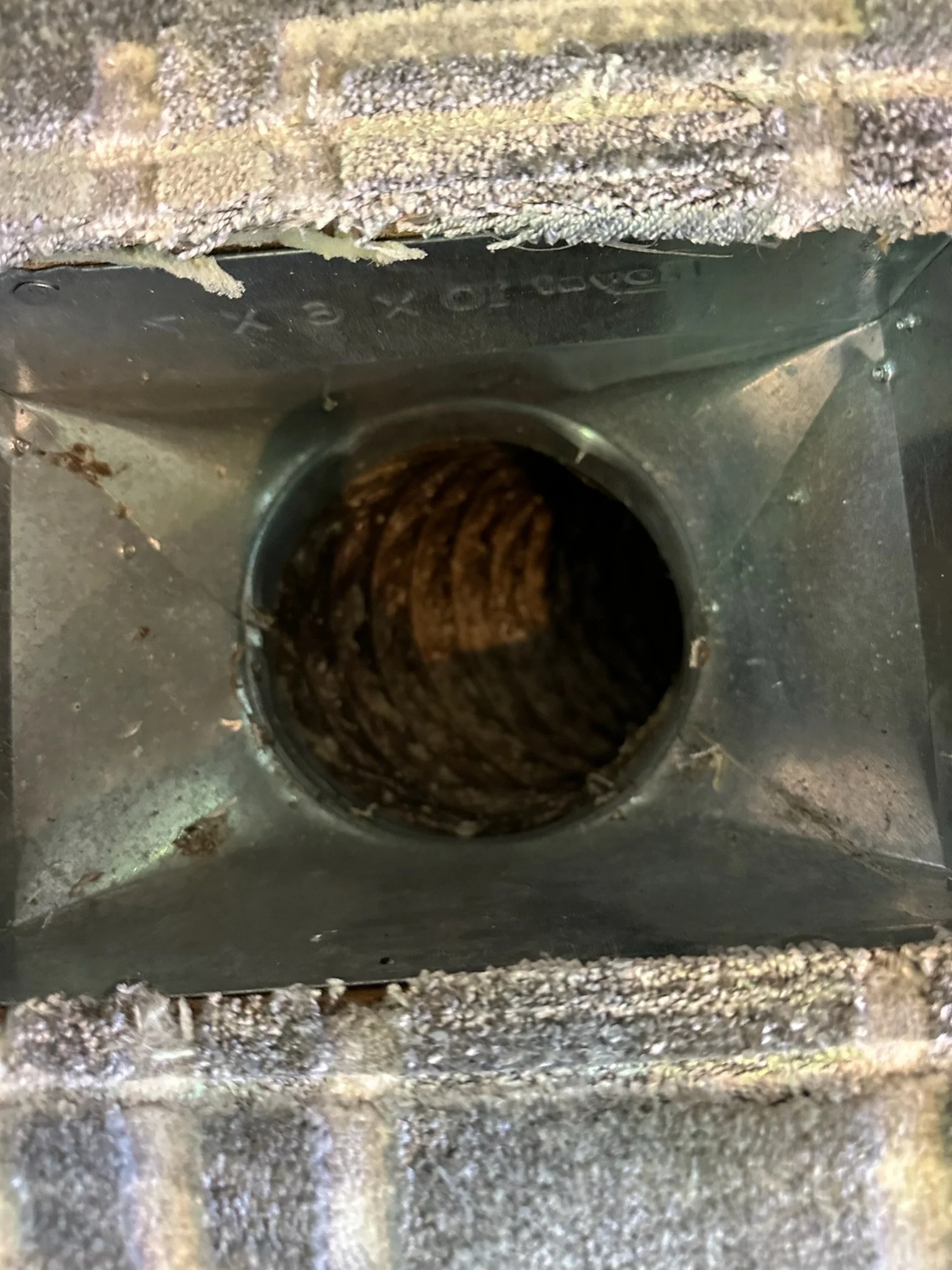
An image of the air duct
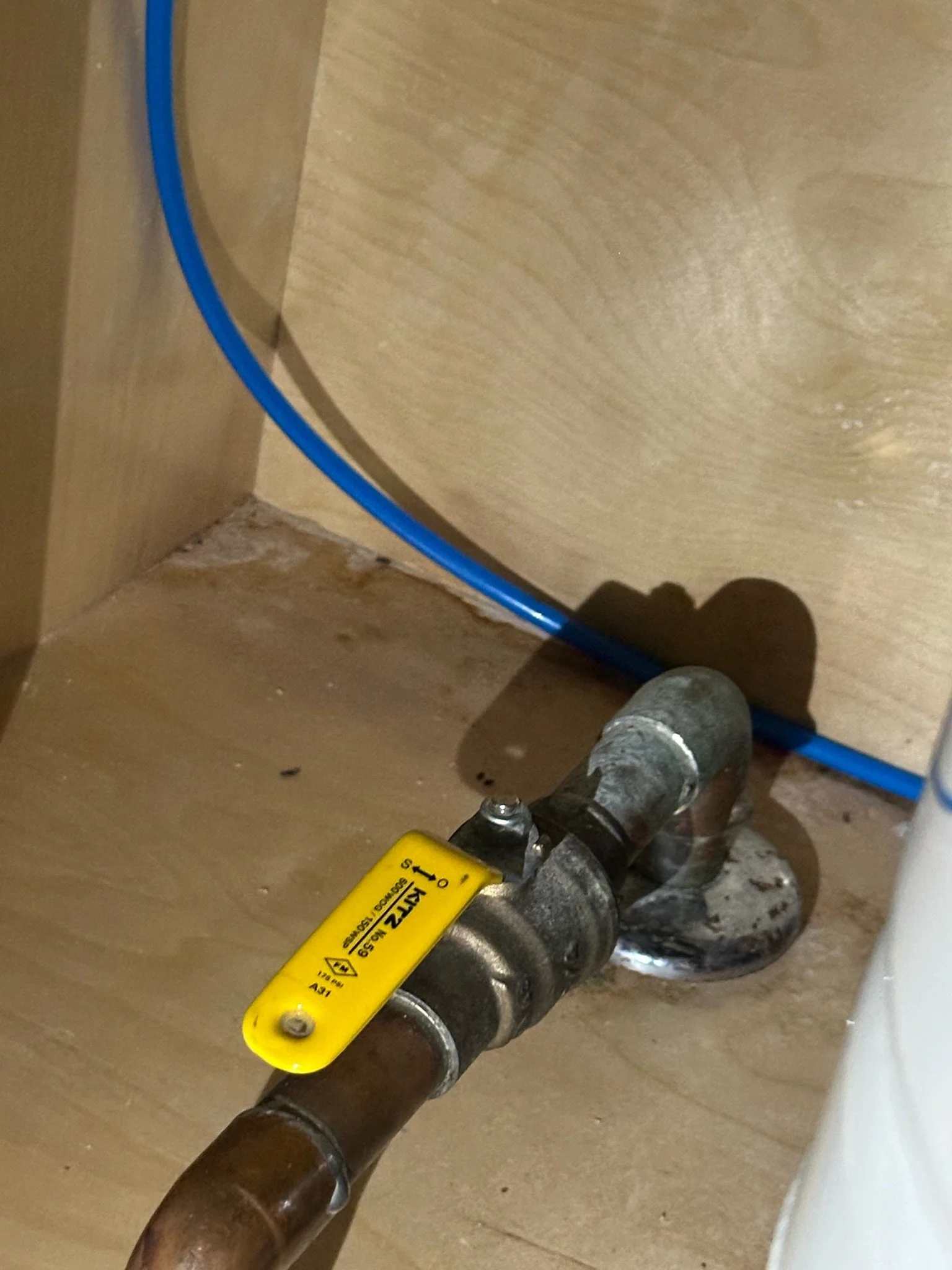
Discoloration under the sink
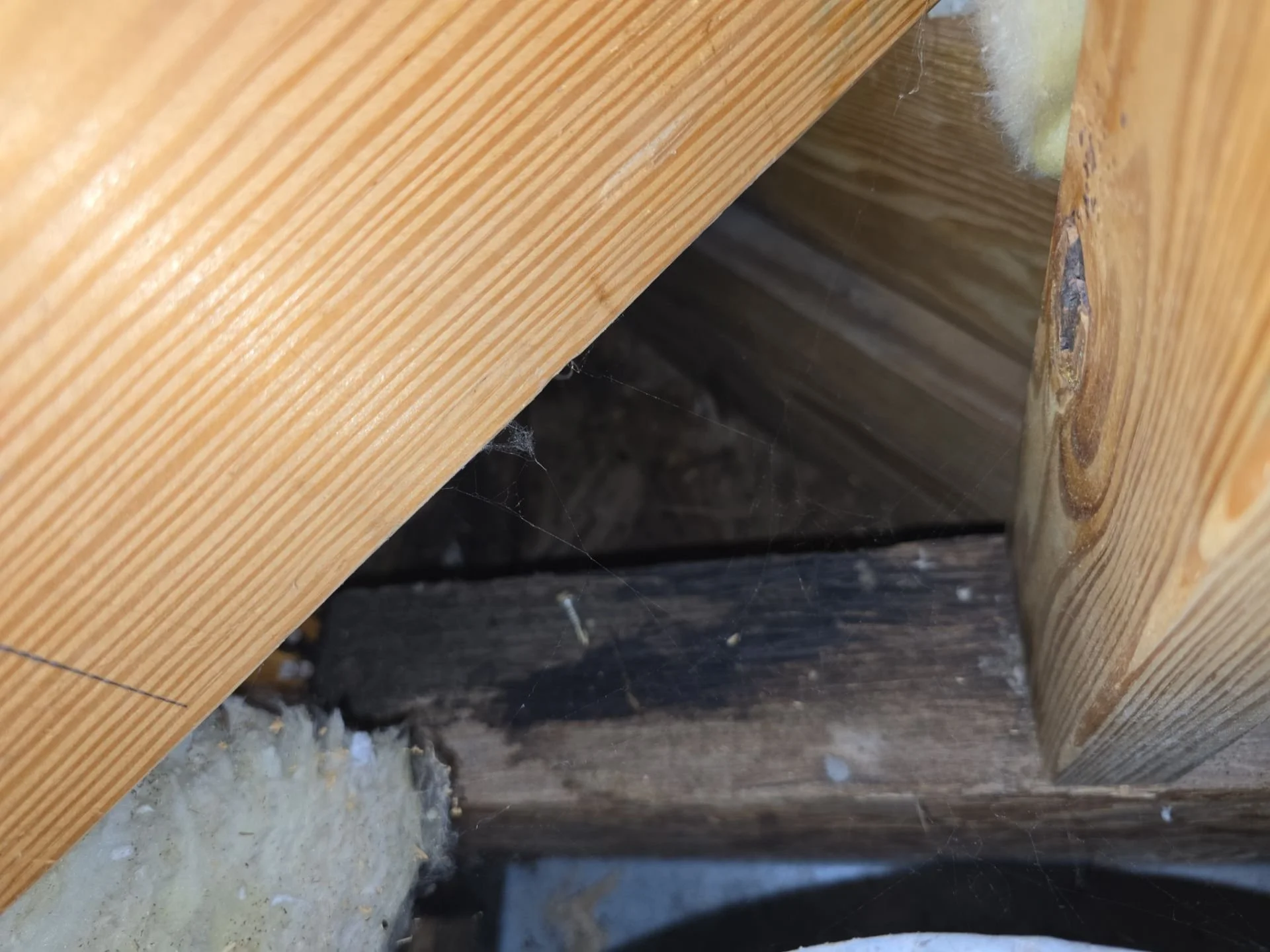
This was in our chimney chase
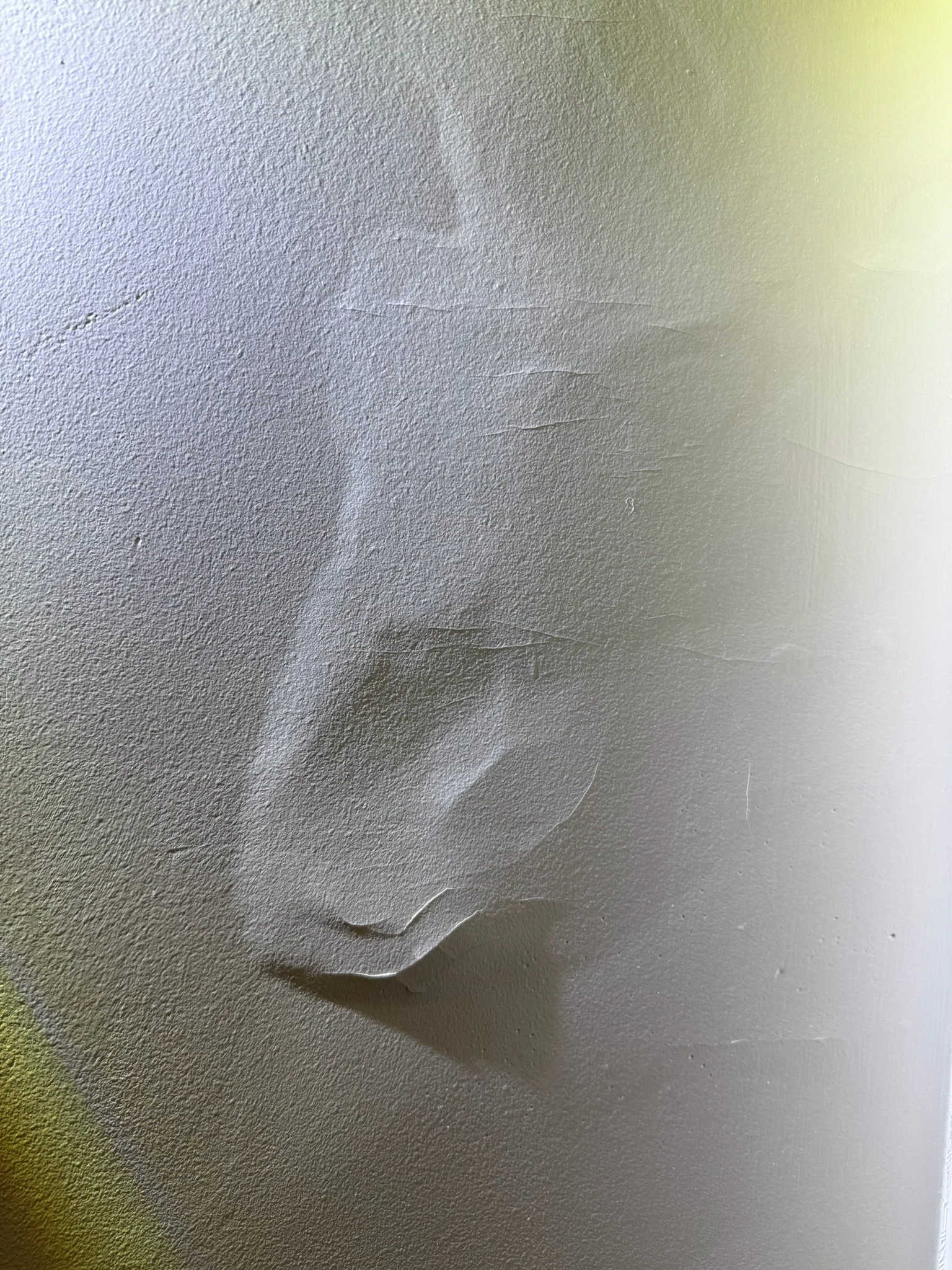
Weird textures, dampness or discoloration
2. Air registers - Gently lift them and look inside – vents can give you signs as to what’s happening in the ductwork and HVAC, and ultimately what is being pushed into your whole home. This was a big one for us during our showing and inspection. As you can see in the picture below, ducts should not be brown and growing things inside. We knew this was going to be something we had to really consider and likely replace.
3. Crawlspace – Check them out! Don’t skip over this one, even if it's not easy to access. Especially here in TN, most homes have crawl spaces, and it’s incredibly important that they are maintained and properly taken care of. When we went in, we didn’t see a lot of mold, but we did notice that the vapor barrier was torn and the dehumidifiers weren’t functioning properly. All things that could be more easily fixed. Heather was incredibly helpful with this.
4. Smell – notice if you pick up any musty odors
5. Notice how you feel – do you get any allergy-like symptoms, fatigue, etc
6. You can also pay attention to the exterior of the house for water entry points. Ideally, making sure no gutters, sprinklers, or drains are open or pouring directly into your foundation
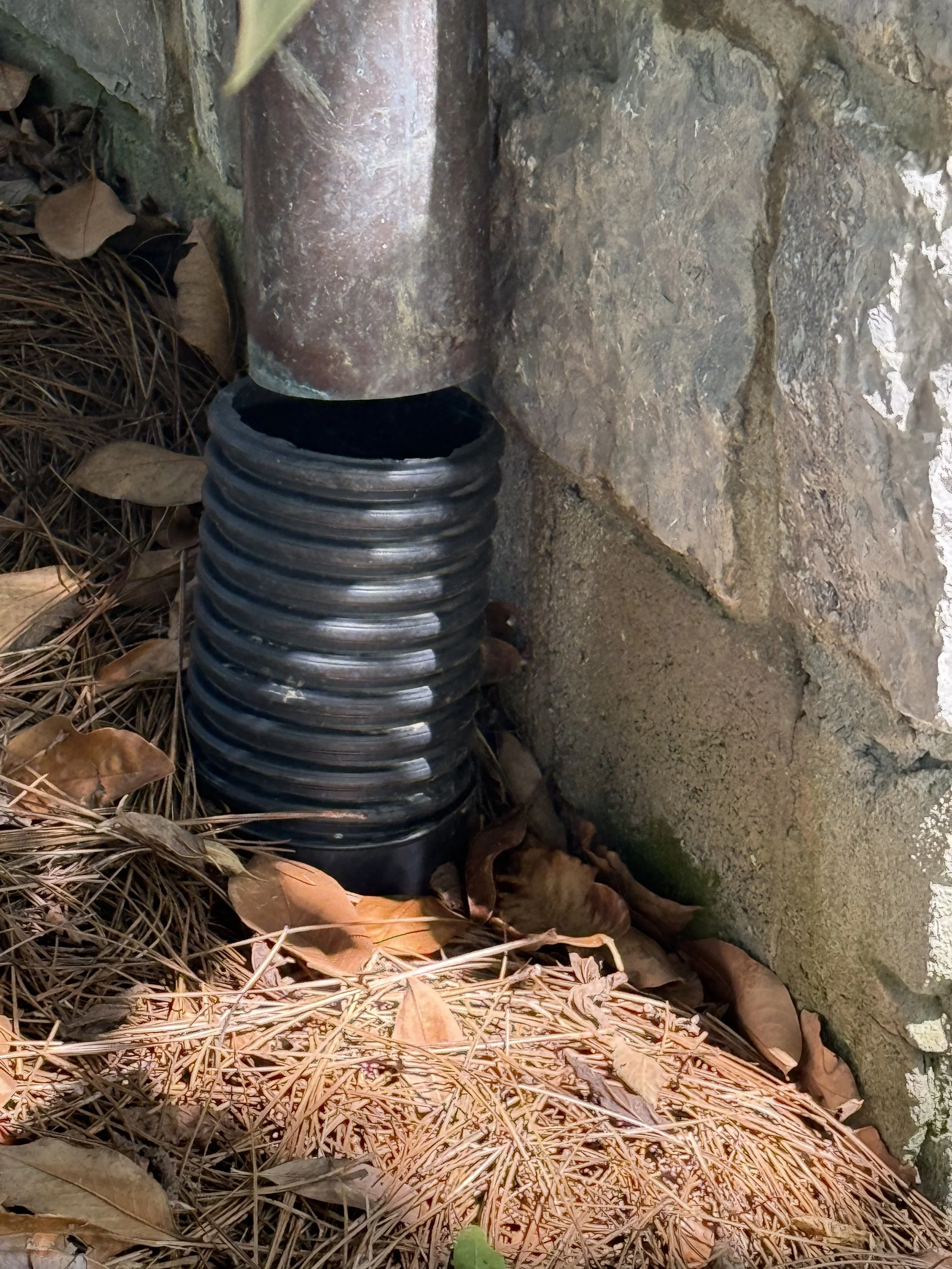
An example of water that could end up draining into the house foundation because of a small gap.
All of these things are capable of being explored during a house showing and most definitely during inspections. During showings, we were able to just visually notice and start putting together a story of what could be going on. But once we got into inspections, we were able to run different mold-related testing to actually understand what we were working with. However, there is always a gamble – you never know exactly what you are getting into until you open it up and find out – something you obviously can’t do until you are full owners of the house. Again, all about weighing what you find with the level of risk you are willing to take.
Once we located potential concerns/problem areas, we hired a professional mold remediation company, EPS (Local to Nashville, TN, Lakeland, FL & Tampa, FL mention Dr. Charlie during Consult for 5% off) to come in and verify if these were, in fact problems and if they were - what they would entail to create a healthy living environment. Not just fixing the issue, but as we talk about often with our own health – getting to the ROOT of the problem to ensure the issue doesn’t pop up again.